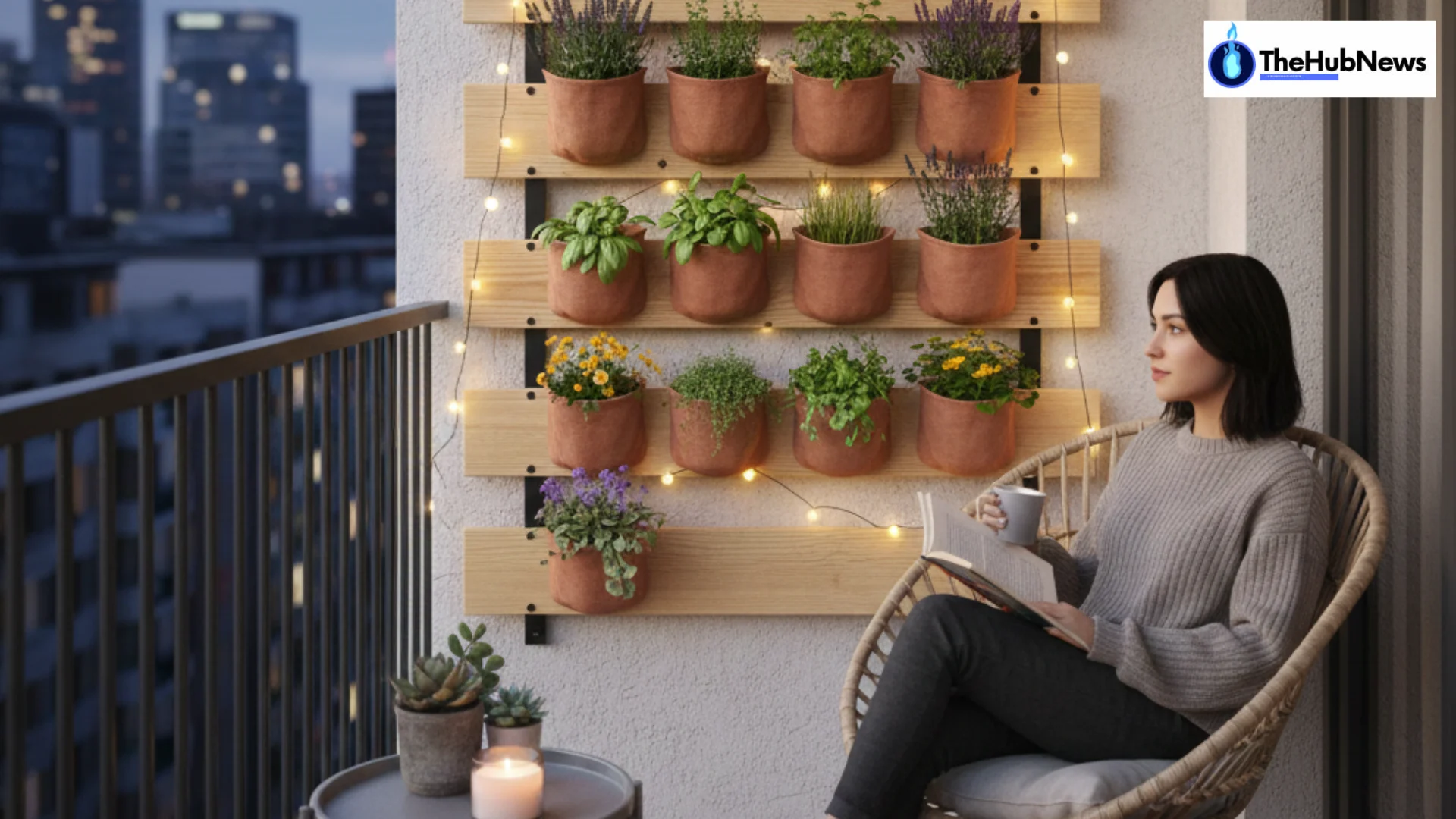
Living in a city often means having very little space. Most apartments only have a small balcony. You might think you cannot grow a garden there. That is not true. You can grow a lush garden by using your walls. This is called a vertical garden. It saves floor space and looks amazing.
This post helps you build your own green wall. We will use simple tools and cheap materials. You do not need to be a pro builder. You just need a bit of time and a love for plants.
Why Choose a Vertical Garden?
Vertical gardens solve many problems for city dwellers. They turn cold concrete into a living space. Plants clean the air around your home. They also help cool down your balcony on hot days.
Best of all, you do not have to bend over to garden. Your plants are at eye level. This makes watering and pruning much easier. It is a smart way to get more from a tiny area.
Planning Your Space
Before you buy supplies, look at your balcony. Check how much sun it gets. Most vegetables need six hours of light. Ferns and moss like shade.
Measure your wall height and width. Do not block your door or any exits. Make sure the wall can hold the weight of wet soil. Wet dirt is much heavier than dry dirt.
Think about your climate too. If you live in a dry place, you need plants that save water. If it rains a lot, you need very good drainage.
Materials You Will Need
You can find these items at any local hardware store.
- A wooden pallet or wire mesh: This acts as your frame.
- Plastic pots or felt pockets: These hold your plants.
- Zip ties or metal hooks: These attach pots to the frame.
- Potting mix: Use a light mix made for containers.
- Small shovel: To move the soil.
- Watering can: With a long neck.
- Plants: Choose the one that is suitable for your lighting level.
- Level tool: Make sure that your wall is straight.
- Power drill: To make holes in the frame and hang it.
Step 1: Prepare the Frame
A wooden pallet is a great and inexpensive option. They are often available for free in stores. Sand the wood to avoid splinters. Paint it or stain it to protect it from rain.
If you want a modern look, use wire mesh. It is light and easy to hang. Fasten the mesh to your wall using sturdy screws. Make sure it stays level. Another option is a wooden trellis. You can buy these at garden shops. They look very nice and are easy to install.
Step 2: Choose Your Containers
You have many choices for pots. Plastic pots are cheap and light. You can drill holes in the back to hang them.
Felt pockets are also popular. They breathe well and let roots grow strong. They come in long sheets that you can staple to wood.
Recycled items work too. Empty soda bottles or tin cans make fun pots. Just do not forget to drill holes in the bottom to drain the water. Plants will die if their roots sit in water.
Step 3: Pick Your Plants
The best plants for vertical walls are those that remain small. Herbs are a perfect choice. Basil, mint, and parsley grow well in small pots.
You can also grow leafy greens. Spinach and lettuce do not need deep soil. If you want flowers, try petunias or marigolds. They add bright colors to your wall.
For a low-maintenance garden, choose succulents. They do not need much water. They look like living art on a wall.
If you have a lot of sun, try strawberries. They look great hanging down from a pot. They are also fun to pick and eat.
Step 4: Assemble the Garden
Start at the bottom and work your way up. Attach your pots to the frame using zip ties. Make sure they are tight.
Fill each pot with potting mix. Leave an inch of space at the top. This prevents soil from spilling when you water.
Place your plants into the pots. Pack the soil gently around the roots. Give them a light drink of water right away.
Step 5: Care and Maintenance
Vertical gardens dry out faster than ground gardens. Check the soil every day. If the top inch feels dry, add water.
Drip irrigation systems are great if you have a big wall. They save time and water. If not, a simple watering can works fine.
Feed your plants once a month. Use a liquid fertilizer mixed with water. This keeps the leaves green and healthy.
Dealing with Pests
Small balconies still get bugs. Aphids and mites can attack your plants. Check under the leaves often.
You can use a simple soap and water spray. It kills many soft bugs without using harsh chemicals. If you see a sick plant, move it away from the others. This stops the bugs from spreading.
Ladybugs are good for your garden. They eat the bad bugs. You can even buy them at some garden stores.
Seasonal Gardening
Your garden will change with the seasons. In spring, plant fast-growing seeds. Lettuce and peas love the cool air. In summer, swap them for heat-loving plants. Peppers and basil thrive when it is hot.
When fall comes, plant kale or pansies. They can handle a light frost. In winter, you might need to bring small pots inside. If not, cover them with a light cloth on very cold nights.
How to Save Money
You do not need to spend a lot. Use old jars or cans for pots. Ask friends for plant cuttings. Many plants grow easily from a small stem.
Collect rainwater in a bucket. It is better for plants than tap water. It also saves you money on your water bill.
Make your own compost if you have space. A small bin can turn food scraps into rich soil. This is great for your plants and the earth.
Tips for Success
- Grouping: Put plants with the same needs together.
- Drainage: Ensure water can flow out of every pot.
- Weight: Check your wall anchors every few months.
- Rotation: Turn pots if one side gets more sun.
- Labeling: Use small sticks to name your herbs.
- Pruning: Snip off dead leaves to keep plants happy.
Common Mistakes to Avoid
Do not use garden soil. It is too heavy and does not drain well. Always use potting mix.
Do not ignore the wind. High balconies can be very windy. Wind dries out plants and can knock over loose pots. Use strong ties to keep everything safe.
Do not overwater. While these gardens dry fast, you can still drown a plant. Always feel the soil before you add more water.
Decorating Your Garden
Your garden can be a work of art. Use colorful pots to brighten the space. Add small LED lights to enjoy the view at night.
You can also add a small chair or bench. This makes your balcony a place to relax and read. A small rug can make the space feel like a real room.
Vertical Gardening as a Hobby
Gardening is great for your mind. It helps you relax after a long day. Watching a seed grow into a plant feels good.
It also teaches you patience. Some plants grow slow, and that is okay. You learn more about nature every day.
Share your garden with your neighbors. They might want to start their own. You can trade seeds and tips.
Enjoy Your New Oasis
Building a vertical garden is a fun weekend project. It changes the feel of your home. You get fresh herbs for cooking and a beautiful view.
Even the smallest balcony can be a garden. Start small with three or four pots. You can always add more lately. Your green thumb will grow along with your plants.
Frequently Asked Questions
Q: Can I grow tomatoes vertically?
A: Yes, but pick “patio” or “dwarf” types. Large vines are too heavy for small wall pots.
Q: How do I stop water from staining my wall?
A: Put a plastic sheet behind your frame. This keeps the moisture away from the building.
Q: What if I move out?
A: Most vertical gardens are easy to take down. If you use hooks or a leaning pallet, you can take your garden with you.
Q: How often should I change the soil?
A: It is best to use fresh soil every spring. Old soil loses its nutrients over time.
Q: What are the easiest plants for beginners?
A: Mint and spider plants are very hard to kill. They are great for your first garden.