

Working from home changes how we see the sun. Most remote workers spend hours in rooms with static light. This habit can disrupt your sleep and focus. Natural light changes from morning to night. Your body expects these changes to stay healthy. Using circadian lighting for home office setups helps you fix this gap. It aligns your workspace with your internal clock. Proper lighting boosts your mood and helps you work better. You can feel more energetic by changing one simple thing in your room.
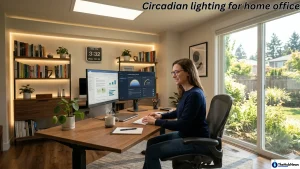
The Power of Human Centric Lighting at Home
Scientists call light that supports our health human centric lighting at home. It focuses on how light affects your brain. Your eyes have special cells that detect blue light. These cells send signals to your hypothalamus. This part of the brain controls your sleep-wake cycle. During the day, blue light tells your brain to be alert. It suppresses melatonin and boosts cortisol. In the evening, warm light tells your brain to rest. Traditional office bulbs often stay at one color all day. This confuses your body.
A smart setup mimics the sun’s natural cycle. It starts with bright, cool light in the morning. This mimicry helps you wake up faster. It keeps your mind sharp for complex tasks. Then the light shifts to soft, warm light as the sun sets. This cycle keeps your hormones in balance. You get high energy when you need to work. You get deep rest when it is time to sleep. Consistent light cycles reduce feelings of sluggishness.
Reducing Fatigue with a Monitor Light Bar for Eye Strain
Staring at a screen for eight hours is hard on your vision. Screens emit light directly into your pupils. The contrast between a bright screen and a dark wall causes fatigue. A monitor light bar for eye strain is a great tool for this problem. It clips to the top of your screen. It shines light down on your desk but not on the display. This design stops glare and reflections.
When your desk is well-lit, your eyes do not work as hard to see. You will notice fewer headaches by the end of the day. Modern light bars use high-quality LEDs. These bulbs show colors more accurately. Most light bars also let you change the color temperature. You can match the light to your room’s environment. This balance makes your screen feel more natural. It is a simple way to improve your ergonomic setup. Better light reduces the dry eye feeling often felt by tech workers.
Finding the Best Kelvin for Home Office Focus
Light color is measured in Kelvin. Higher numbers are cool and blue. Lower numbers are warm and yellow. Choosing the best Kelvin for home office focus is key for daily output. For deep work, experts recommend 4000K to 5000K. This range looks like a clear morning sky. It keeps you alert and stops you from feeling sleepy. It is perfect for reading spreadsheets or writing code.
Avoid using very warm light during your peak hours. Light below 3000K can make you feel too relaxed. It might lead to yawning during important calls. Save the warm tones for your final tasks of the day. If you use 4000K in the morning, you will find it easier to concentrate. It provides a crisp environment for reading and typing. Your brain stays sharp when the light matches your goals. Bright light during the day also helps you sleep better later.
The Value of Tunable White LED Benefits
You do not need many different lamps to get the right light. One of the biggest tunable white LED benefits is flexibility. These bulbs let you change the color temperature with a remote or an app. You can have 5000K for your morning meetings. You can switch to 3000K for evening admin tasks. Smart bulbs can even automate this process for you. They change color slowly throughout the day.
Tunable LEDs allow your office to change with your needs. This prevents the “hospital” feel of constant bright white light. It also makes your office feel like a home again at night. Transitioning your light helps your brain shift modes. You stop thinking about work when the lights turn warm. This mental shift is vital for preventing burnout. It creates a boundary between your job and your life. You can relax more deeply when your environment feels cozy.
Blue Light Hygiene for Remote Workers
Managing your light exposure is part of a healthy routine. Blue light hygiene for remote workers protects your sleep cycle. Digital screens emit high levels of blue light. This is fine at 10 AM, but it is bad at 8 PM. Blue light stops your body from making melatonin. Without melatonin, you cannot fall asleep quickly. You might toss and turn for hours.
Try to dim your lights two hours before bed. Use software filters on your computer to warm up the screen. Avoid working in total darkness with only a bright monitor. This creates a “harsh” contrast that hurts your eyes. Good hygiene means using light as a tool. You want to use it to wake up, not to stay awake too long. Keep your bedroom light-free if possible. If you must work late, use the warmest setting on your lamp. This protects your brain from the “daylight” signal.
Building Your Circadian Setup
Creating a healthy office does not have to be expensive. Start by placing your desk near a window. Natural daylight is always the best source for your clock. Even a cloudy day provides better light than most bulbs. If you lack windows, use a mix of lamps. Use a bright overhead light for the morning. Use a desk lamp with a tunable bulb for the afternoon.
Add a light bar to your monitor to keep the desk area clear. This setup covers all your visual needs. It provides ambient light for the room and task light for your work. You will feel the difference in your energy levels within a week. Your body will finally be in sync with your schedule. Try to spend twenty minutes outside during lunch. This “light snack” reinforces your internal clock. It helps you avoid the mid-afternoon slump.
The Impact on Mental Health and Mood
Light does more than just help us see. It regulates our mood and emotional state. Poor lighting can lead to Seasonal Affective Disorder symptoms. This is common for those in dark home offices. Bright, blue-rich light acts like a natural antidepressant. It keeps your serotonin levels higher during the day. You will feel more positive and motivated to finish tasks.
Warm light in the evening lowers your stress levels. It signals to your nervous system that the day is over. This helps your heart rate slow down naturally. Many workers find they are less irritable when using circadian light. They have more patience for difficult emails. A well-lit space feels professional and inviting. It makes you want to show up and do your best work.
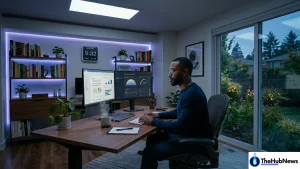
Long-Term Benefits of Better Light
Investing in your lighting pays off in many ways. You will find that you are more productive during the day. Your mood will stay more stable even during busy weeks. Most importantly, you will sleep better at night. High-quality light reduces the stress on your nervous system. It prevents the chronic fatigue that comes from poor rest.
The science shows that our environment dictates our biology. When you control your light, you control your energy. It is a simple upgrade with a massive impact. Turn your home office into a space that supports your life. You do not need to be a scientist to see the results. Start by changing your bulbs today. Your future self will thank you for the better rest and focus. High productivity starts with a healthy brain. A healthy brain starts with the right light at the right time.
Frequently Asked Questions
Q: What is the best light color for morning work?
A: A cool white light around 5000K is best for the morning. This mimics the bright morning sun and tells your brain to be alert.
Q: Can a monitor light bar really help with eye strain?
A: Yes. A light bar illuminates your desk without shining directly on the screen. This reduces glare and creates a comfortable contrast level.
Q: Why should I care about blue light hygiene?
A: Blue light from screens stops your body from making melatonin. Good hygiene ensures you can fall asleep easily after your work day ends.
Q: Are smart bulbs better than regular office lights?
A: Smart bulbs offer tunable white benefits. You can change from cool focus light to warm relaxation light using one single bulb.
Q: How much does a circadian lighting setup cost?
A: You can start for as little as $30. A basic monitor light bar or a single smart bulb can make a significant difference in your workspace.